Vitality & Strength
 Stress & Immunity
 Women's Wellness
 Curated Wellness Kits


Indian Ayurvedic: A Complete Guide to India’s Ancient Healing Science
 By Curo Herb
5 months ago
By Curo Herb
5 months ago

Indian Ayurvedic, widely known as Ayurveda, is one of the oldest wellness systems in human history. Developed in India thousands of years ago, Ayurveda is based on the idea that health is achieved when the body, mind, and lifestyle remain in balance. Unlike modern healthcare approaches that often focus only on symptoms, Ayurveda aims to identify the root cause of imbalance and restore natural harmony.
In recent years, global interest in natural health solutions has increased significantly. People are moving toward herbal remedies, preventive care, and lifestyle-based healing. Indian Ayurvedic knowledge is therefore becoming increasingly relevant because it combines natural ingredients, daily routines, diet, and mental wellness practices into one complete system of living.
This article explains Indian Ayurvedic principles in detail while also discussing modern Ayurvedic brands, including how companies like Curoherb are participating in the growth of Indian Ayurveda through herbal wellness products.
Historical Background and Origin of Indian Ayurvedic
The history of Indian Ayurvedic medicine goes back more than five thousand years. Ancient Indian scholars believed that nature contains solutions for maintaining health and preventing disease. Early Ayurvedic knowledge was passed orally from teacher to student and later documented in classical Ayurvedic texts.
Ayurveda evolved as a complete system that included herbal medicine, nutrition, surgery, detoxification, and mental health practices. Over centuries, it became deeply integrated into Indian culture and daily life. Even today, many households follow Ayurvedic practices such as herbal drinks, oil massage, and seasonal eating habits.
As modern health awareness increases, Ayurveda has transformed from an ancient regional practice into a global wellness movement. Its emphasis on prevention and natural balance continues to attract modern consumers.
Core Principles of Indian Ayurvedic Science
Indian Ayurvedic philosophy is built on a few fundamental ideas that guide health decisions and lifestyle choices.
First, Ayurveda believes that every individual has a unique body constitution. This means health recommendations should be personalized rather than universal. Second, prevention is considered more important than cure. Maintaining good habits reduces the chances of disease developing in the first place.
Another key principle is the connection between mental and physical health. Emotional stress and lifestyle imbalance can directly affect digestion, immunity, and energy levels. Therefore, Ayurveda combines physical treatments with mental relaxation techniques such as meditation and breathing exercises.
These principles make Ayurveda a holistic system rather than just a collection of herbal remedies.
The Three Doshas: Vata, Pitta, and Kapha
The concept of doshas is one of the most important foundations of Indian Ayurvedic science. According to Ayurveda, the human body functions through three biological energies called Vata, Pitta, and Kapha.
Vata governs movement, communication, and nervous system activity. When balanced, it supports creativity and flexibility, but when disturbed it may cause anxiety or digestive irregularities.
Pitta controls digestion, metabolism, and body temperature. A balanced Pitta supports intelligence and strong digestion, while excess Pitta can lead to heat-related issues such as acidity or irritation.
Kapha provides stability, strength, and structure. It supports immunity and emotional calmness, but imbalance can result in sluggishness or weight gain.
Understanding these doshas helps individuals make better dietary and lifestyle choices that match their natural body type.
Benefits of Following an Indian Ayurvedic Lifestyle
Indian Ayurvedic living provides long-term benefits because it focuses on sustainable health rather than short-term fixes. One major benefit is improved digestion, which Ayurveda considers the center of good health. Better digestion leads to improved energy, clearer skin, and stronger immunity.
Ayurveda also supports natural detoxification by helping the body remove accumulated toxins through proper diet and herbal support. Mental benefits include reduced stress levels, better sleep quality, and improved emotional balance.
Many people also follow Ayurvedic practices for skin and hair improvement because natural ingredients often reduce exposure to harsh chemicals.
Major Herbs Used in Indian Ayurvedic Tradition
Herbs are central to Ayurvedic healing, and each herb is selected based on its natural properties.
Ashwagandha is known for supporting stress management and energy balance. Turmeric is widely used for its anti-inflammatory and immune-supporting properties. Tulsi helps respiratory health and daily immunity, while Neem is valued for skin purification and blood cleansing. Amla is rich in vitamin C and is commonly used for hair growth and rejuvenation.
These herbs demonstrate how Ayurveda relies on nature-based ingredients to support long-term wellness.
Ayurvedic Diet and Nutrition Philosophy
Food plays an essential role in Indian Ayurvedic health. Ayurveda considers food as medicine and emphasizes fresh, seasonal, and easily digestible meals.
Meals should ideally be warm and freshly prepared to support digestion. Heavy processed foods and overeating are discouraged because they disturb metabolic balance. Lunch is traditionally considered the main meal of the day because digestive fire is strongest during this time.
Hydration through warm water and herbal drinks is also encouraged. By aligning diet with natural rhythms, Ayurveda aims to improve metabolism and overall vitality.
Daily Routine and Lifestyle Practices in Ayurveda
Daily routine, called Dinacharya, is an essential part of Ayurvedic living. Waking early, cleansing practices, light physical movement, and mindful eating help maintain balance throughout the day.
Morning routines often include warm water consumption and gentle exercise. Evenings focus on relaxation, light meals, and preparing the body for restful sleep. This structured lifestyle reduces stress and supports consistent energy levels.
Ayurveda believes that discipline in daily habits is one of the most powerful forms of preventive health care.
Indian Ayurvedic Skincare and Hair Care Approach
Ayurvedic skincare emphasizes nourishing the skin naturally rather than masking problems. Herbal pastes made from turmeric, sandalwood, and aloe vera are commonly used to maintain healthy skin texture and glow.
Hair care in Ayurveda includes regular oil massage to nourish the scalp and improve circulation. Ingredients such as amla, bhringraj, and coconut oil are widely used to support strong hair growth.
The Ayurvedic approach focuses on treating internal imbalance first, as external beauty is considered a reflection of inner health.
Stress Management Through Ayurvedic Methods
Indian Ayurvedic philosophy places great importance on mental health. Modern stress is often linked to lifestyle imbalance, and Ayurveda offers natural ways to manage it.
Meditation improves focus and emotional stability. Breathing exercises help regulate the nervous system and reduce anxiety. Oil massage, known as Abhyanga, promotes relaxation and better sleep quality.
By incorporating these practices into daily life, individuals can improve both mental and physical wellness simultaneously.
Role of Modern Ayurvedic Brands in Indian Ayurvedic Growth
As Ayurveda expands globally, modern Ayurvedic brands play an important role in making traditional knowledge more accessible. These brands help bridge the gap between ancient herbal wisdom and modern lifestyles by offering convenient wellness products.
Modern Ayurvedic companies typically focus on ingredient purity, quality control, and easy-to-use formulations. This allows people who may not have traditional knowledge to still benefit from Ayurvedic herbs in their daily routines.
The growth of such brands reflects how Indian Ayurvedic practices are adapting to contemporary wellness needs while maintaining traditional foundations.
How Curoherb Is Contributing to Indian Ayurvedic Wellness
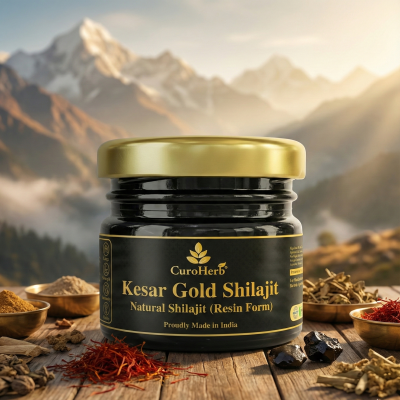
Among newer wellness brands, Curoherb presents itself as a modern Ayurveda-focused company combining traditional herbal knowledge with contemporary wellness approaches. According to its official descriptions, the brand highlights purity, herbal ingredients, and lifestyle-friendly Ayurvedic formulations designed for categories such as stress support, vitality, and women’s wellness.
Curoherb positions itself as a brand that connects ancient Ayurvedic principles with modern wellness design. The company describes its goal as making herbal wellness accessible while maintaining quality and purity standards.
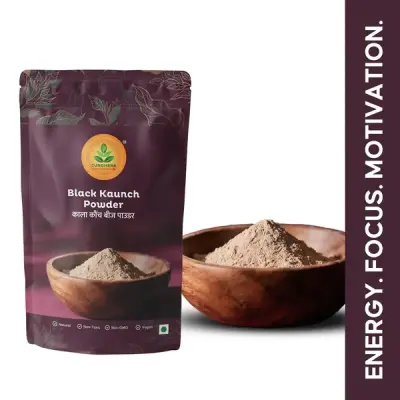
From a broader Indian Ayurvedic perspective, brands like Curoherb show how modern companies are trying to make traditional herbal practices easier for everyday consumers. Instead of raw herbs alone, they offer prepared powders and wellness kits intended to support common lifestyle needs such as energy balance, stress management, and immunity support.
Popular Product Categories Reflecting Modern Indian Ayurveda
Modern Ayurvedic brands, including Curoherb, often organize products into wellness categories that match modern health goals. Examples include vitality and strength blends, stress and immunity support, and women-focused wellness formulations.
These categories reflect a shift toward practical wellness solutions while still using traditional Ayurvedic ingredients such as ashwagandha, shatavari, and moringa.
Such categorization helps new users understand Ayurveda more easily and choose products according to lifestyle goals rather than complex traditional terminology.
Choosing Better Ayurvedic Products: Important Factors
When selecting Ayurvedic products, quality and transparency are very important. Consumers should look for clear ingredient information, proper manufacturing standards, and realistic claims instead of exaggerated promises.
It is also important to understand that herbal products work best when combined with healthy lifestyle habits. Ayurveda is not only about supplements; it includes diet, sleep, and mental wellness practices.
Consulting professionals when needed and choosing trusted brands helps users gain better results and safe experiences with Ayurvedic wellness.
Future of Indian Ayurvedic Industry
The future of Indian Ayurvedic wellness looks strong because global consumers increasingly prefer natural and preventive healthcare approaches. The industry is moving toward cleaner ingredients, research-backed formulations, and personalized wellness solutions.
As more companies invest in modern packaging, better quality standards, and education-focused marketing, Ayurveda is becoming easier for younger generations to understand and adopt.
The collaboration between ancient tradition and modern innovation will likely shape the next phase of Indian Ayurvedic growth.
Conclusion
Indian Ayurvedic remains one of the most complete natural health systems in the world. It teaches balance, prevention, and harmony through herbs, diet, daily routine, and mental wellness practices. While its roots are ancient, its relevance in modern life is growing rapidly.
Brands that focus on herbal wellness, including newer companies like Curoherb, show how Ayurveda is evolving to meet modern needs while maintaining traditional foundations. By understanding Ayurvedic principles and choosing quality products wisely, individuals can experience long-term benefits for both body and mind.
Indian Ayurvedic is not simply a trend; it is a timeless lifestyle philosophy that continues to guide natural health and wellness across generations.
Categories
Trending Now