Vitality & Strength
 Stress & Immunity
 Women's Wellness
 Curated Wellness Kits


Ashwagandha vs Moringa: Which Is Better for Health, Energy, and Immunity?
 By Curo Herb
2 months ago
By Curo Herb
2 months ago
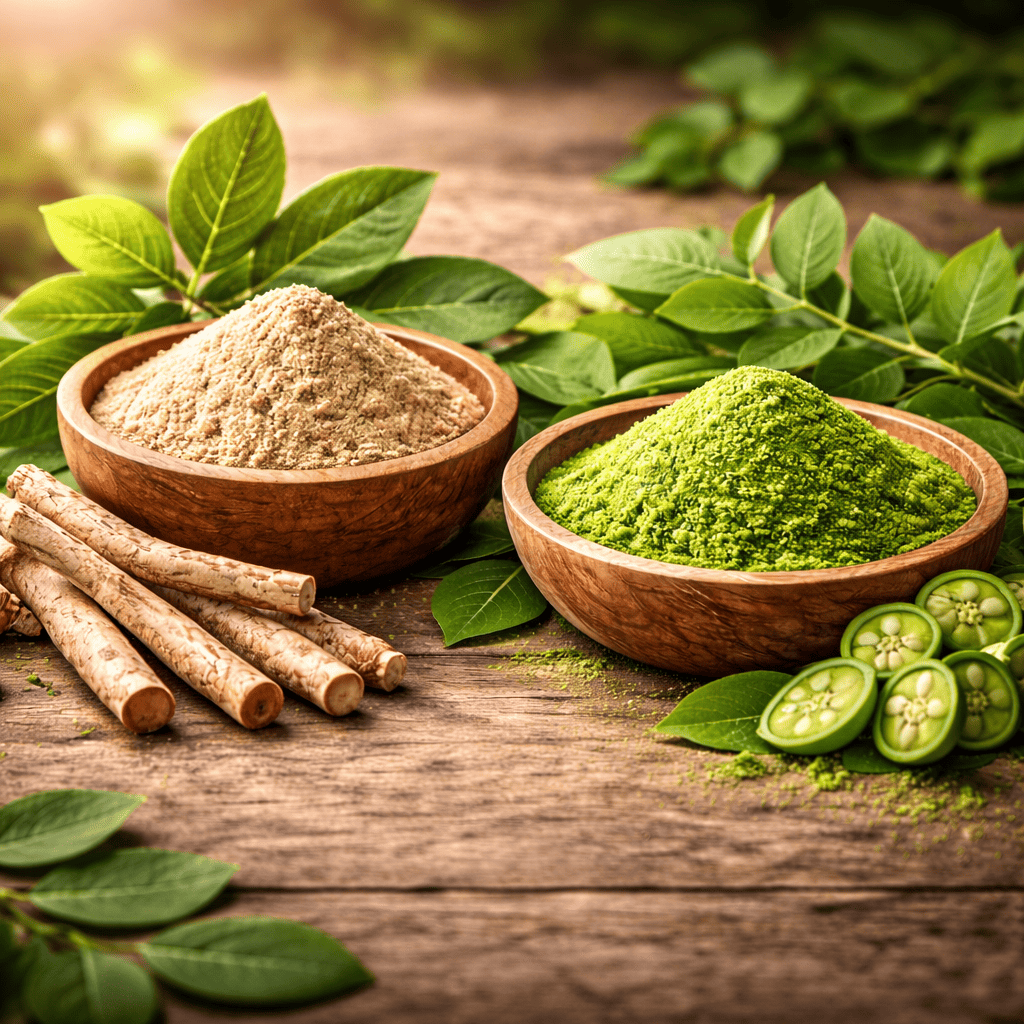
Natural herbal supplements have become an important part of modern health and wellness practices. As people increasingly look for plant-based solutions to improve energy, immunity, mental clarity, and overall vitality, traditional herbs from ancient medicinal systems are gaining global attention. Among the most widely discussed natural supplements today are Ashwagandha and Moringa. Both plants have deep roots in traditional healing systems and are now widely used in modern nutritional and wellness routines.
Despite their popularity, many people searching for natural health solutions often ask the same question: which is better, Ashwagandha or Moringa? This question appears frequently because both herbs offer impressive health benefits and are commonly promoted as powerful superfoods. However, although they are both natural and beneficial, they serve very different purposes in the body and support health in distinct ways.
Ashwagandha is primarily known for its adaptogenic properties, meaning it helps the body cope with stress and maintain balance in the nervous system and hormones. Moringa, on the other hand, is valued for its exceptional nutritional profile and is often described as one of the most nutrient-dense plants available. Because of these differences, understanding how each herb works is essential before deciding which one may be more suitable for individual health goals.
This comprehensive guide explores Ashwagandha and Moringa in detail, examining their origins, nutritional value, health benefits, differences, potential uses, and how they compare when it comes to supporting overall health. By understanding the strengths of each herb, readers can make more informed decisions about incorporating these powerful plants into a balanced lifestyle.
Understanding Ashwagandha: An Ancient Adaptogenic Herb
Ashwagandha is a traditional medicinal herb that has been used for thousands of years in Ayurvedic medicine. The botanical name of the plant is Withania somnifera, and it is commonly found in parts of India, the Middle East, and certain regions of Africa. In traditional Ayurvedic texts, Ashwagandha is classified as a rejuvenating herb that helps strengthen the body, support longevity, and promote overall vitality.
The root of the Ashwagandha plant is the part most commonly used in herbal preparations. It contains a variety of biologically active compounds known as withanolides, which are believed to be responsible for many of the herb’s therapeutic effects. These compounds possess antioxidant, anti-inflammatory, and stress-modulating properties that help support multiple systems within the body.
One of the most notable features of Ashwagandha is its role as an adaptogen. Adaptogens are natural substances that help the body adapt to physical, emotional, and environmental stress. Instead of stimulating the body in a direct way, adaptogens work by regulating the stress response system and helping maintain internal balance. This ability to support the body during stressful conditions has made Ashwagandha one of the most popular herbs for improving mental well-being.
Ashwagandha is often associated with improvements in energy, focus, and emotional resilience. Many individuals use it to support better sleep quality, reduce feelings of anxiety, and enhance overall mental clarity. In addition, the herb has been studied for its potential role in improving stamina, muscle strength, and physical performance. Because of its wide range of benefits, Ashwagandha is frequently included in supplements designed to support both mental and physical health.
Another important aspect of Ashwagandha is its influence on hormonal balance. Research suggests that it may help regulate cortisol levels, which are associated with the body’s stress response. Balanced cortisol levels can contribute to improved mood stability, better sleep patterns, and enhanced overall well-being. For this reason, Ashwagandha is often recommended as a natural support herb for individuals dealing with chronic stress or fatigue.
Understanding Moringa: The Nutrient-Dense Miracle Tree
Moringa, scientifically known as Moringa oleifera, is a plant that has earned the nickname “the miracle tree” because of its extraordinary nutritional value. Native to regions of South Asia, particularly India, the Moringa tree is now cultivated in many tropical and subtropical parts of the world. One of the most remarkable aspects of this plant is that nearly every part of it can be used for food or medicinal purposes.
The leaves of the Moringa tree are especially valued because they contain a high concentration of essential nutrients. These leaves are commonly dried and ground into powder, which can then be added to smoothies, teas, soups, or nutritional supplements. In many cultures, fresh Moringa leaves are also used as a vegetable in traditional cooking.
Moringa leaves are packed with vitamins and minerals that are essential for maintaining overall health. They contain significant amounts of vitamin A, vitamin C, vitamin E, calcium, potassium, iron, and magnesium. In addition to these nutrients, Moringa also provides plant-based protein and a wide range of beneficial antioxidants.
One of the key reasons Moringa has gained popularity worldwide is its ability to support overall nutritional balance. In regions where access to diverse food sources may be limited, Moringa has been used as a natural way to help address nutrient deficiencies. The combination of vitamins, minerals, and amino acids found in Moringa makes it a valuable addition to a healthy diet.
Another major benefit of Moringa is its high antioxidant content. Antioxidants help protect the body from oxidative stress caused by free radicals. Over time, oxidative stress can contribute to inflammation and various chronic health conditions. By supplying the body with natural antioxidants, Moringa helps support cellular health and overall well-being.
In addition to its nutritional benefits, Moringa is also associated with improved digestive health and immune system support. The plant contains natural compounds that may help reduce inflammation and support healthy metabolism. Because of these properties, Moringa is widely considered one of the most powerful plant-based superfoods available today.
Nutritional Comparison Between Ashwagandha and Moringa
When comparing Ashwagandha and Moringa from a nutritional perspective, it becomes clear that these plants serve very different functions. Ashwagandha is primarily valued for its medicinal properties rather than its nutritional content. The root contains bioactive compounds that influence the nervous system, hormone regulation, and stress response. While it provides certain beneficial compounds, it is not typically used as a primary source of vitamins or minerals.
Moringa, on the other hand, is widely recognized for its exceptional nutrient density. The leaves contain an impressive combination of vitamins, minerals, antioxidants, and amino acids that support overall physical health. In many ways, Moringa functions more like a food rather than a medicinal herb, as it provides nutrients that contribute directly to daily dietary requirements.
Another important difference lies in the way these plants influence the body’s systems. Ashwagandha mainly affects the nervous system and endocrine system, helping regulate stress hormones and improve the body’s ability to adapt to challenging conditions. Moringa primarily supports the immune system, metabolism, and overall nutritional balance.
Because of these differences, Ashwagandha and Moringa are not direct substitutes for one another. Instead, they address different aspects of health. Ashwagandha focuses on stress management and mental balance, while Moringa supports physical nourishment and nutrient intake. Understanding this distinction can help individuals choose the herb that aligns most closely with their specific health needs.
Health Benefits of Ashwagandha
Ashwagandha is widely known for its ability to support mental health and stress management. One of the most significant benefits of this herb is its capacity to reduce the impact of chronic stress on the body. By helping regulate cortisol levels, Ashwagandha supports a more balanced stress response, which can lead to improved emotional stability and reduced feelings of anxiety.
Another important benefit of Ashwagandha is its effect on sleep quality. Individuals experiencing sleep disturbances or insomnia may find that this herb promotes relaxation and supports deeper, more restorative sleep. Better sleep quality can have a positive impact on overall health, including improved energy levels and enhanced cognitive function.
Ashwagandha is also associated with improvements in physical performance. Some studies suggest that individuals who supplement with Ashwagandha may experience enhanced endurance, increased muscle strength, and improved recovery after physical activity. These effects make the herb particularly popular among athletes and individuals who engage in regular exercise.
The herb may also support cognitive health by helping improve focus, memory, and mental clarity. Its antioxidant compounds help protect brain cells from oxidative stress, which may contribute to better neurological function over time. For individuals dealing with mental fatigue or difficulty concentrating, Ashwagandha may provide valuable support.
Additionally, Ashwagandha has been studied for its potential role in supporting reproductive health and hormonal balance. In men, it may help improve testosterone levels and support fertility. In women, the herb may assist in maintaining hormonal stability during periods of stress or fatigue. These benefits contribute to Ashwagandha’s reputation as a versatile and powerful adaptogenic herb.
Health Benefits of Moringa
Moringa offers a wide range of health benefits primarily because of its impressive nutrient profile. One of its most notable advantages is its ability to strengthen the immune system. The high concentration of vitamins, minerals, and antioxidants in Moringa leaves helps the body defend itself against harmful pathogens and environmental stressors.
Another significant benefit of Moringa is its role in supporting healthy metabolism. Certain plant compounds found in the leaves may help regulate blood sugar levels and improve the body’s ability to process glucose. This makes Moringa a valuable nutritional supplement for individuals who want to maintain balanced metabolic health.
Moringa also supports cardiovascular health. The antioxidants present in the plant help reduce oxidative stress, which is associated with inflammation and heart-related issues. By supporting healthy cholesterol levels and reducing inflammation, Moringa contributes to improved heart health over time.
Digestive health is another area where Moringa can be beneficial. The plant contains fiber and natural anti-inflammatory compounds that help support a healthy digestive system. Regular consumption of Moringa may promote better digestion, improved gut function, and more efficient nutrient absorption.
In addition, Moringa is often associated with improved skin and hair health. The vitamins and antioxidants found in the leaves help nourish the skin and protect it from environmental damage. These nutrients also support healthy hair growth and overall skin vitality. Because of these benefits, Moringa is frequently included in natural beauty and wellness products.
Ashwagandha vs Moringa: Key Differences
Although both herbs offer numerous health benefits, their primary functions are quite different. Ashwagandha is mainly used to support stress resilience, hormonal balance, and mental well-being. It works primarily through its adaptogenic effects on the nervous system and endocrine system.
Moringa, in contrast, is primarily used as a nutritional supplement. Its role is to provide essential nutrients that help support overall physical health, immunity, and metabolic function. Instead of influencing stress hormones directly, Moringa helps nourish the body through its rich supply of vitamins and minerals.
Another key difference is how these herbs are typically consumed. Ashwagandha is most commonly taken in the form of capsules, extracts, or powdered root. Moringa, however, can be consumed in many ways, including leaf powder, tea, capsules, or fresh leaves used in cooking.
Because of these differences, the choice between Ashwagandha and Moringa depends largely on personal health goals. Someone seeking better stress management and mental balance may benefit more from Ashwagandha, while someone looking to improve overall nutrition and immune support may prefer Moringa.
Can Ashwagandha and Moringa Be Used Together?
In many cases, Ashwagandha and Moringa can be used together as part of a balanced wellness routine. Because these herbs support different aspects of health, combining them may provide complementary benefits. Moringa can help nourish the body with essential nutrients, while Ashwagandha supports stress resilience and emotional balance.
When used responsibly and in appropriate amounts, these herbs may work together to support both physical and mental well-being. However, individuals with existing medical conditions or those taking medications should consult a healthcare professional before adding new herbal supplements to their routine.
Conclusion
Ashwagandha and Moringa are two remarkable plants that have earned recognition around the world for their powerful health benefits. While they are often compared, they serve different roles in supporting the body. Ashwagandha is primarily valued for its adaptogenic properties that help the body manage stress, support hormonal balance, and promote mental well-being.
Moringa, on the other hand, is known for its exceptional nutritional value. The leaves provide a wide range of vitamins, minerals, antioxidants, and amino acids that support immune function, metabolism, and overall health. Rather than competing with each other, these herbs complement one another by supporting different aspects of wellness.
When deciding which is better, Ashwagandha or Moringa, the answer ultimately depends on individual health needs and goals. Those seeking stress relief and improved mental balance may benefit more from Ashwagandha, while those looking for a nutrient-dense superfood to support overall health may prefer Moringa. Understanding the unique strengths of each plant allows individuals to make informed choices and incorporate these powerful herbs into a balanced and healthy lifestyle.
Categories
Trending Now